Zero Carb Foods List: A Comprehensive Guide (Updated December 21, 2025)
Navigating a zero-carb lifestyle requires a focused approach, and readily available resources are invaluable;
downloadable PDFs detailing acceptable foods simplify meal planning and adherence to this restrictive diet.
Comprehensive lists, often available as free downloads, categorize zero-carb options,
helping individuals easily identify suitable protein, fat, and beverage choices for sustained success.
These PDFs frequently include detailed breakdowns of animal products,
approved oils, and cautious dairy selections, streamlining the process of building a truly zero-carb menu.
What Defines a “Zero Carb” Food?
Defining a “zero carb” food isn’t always straightforward, as even seemingly innocuous items can contain trace amounts of carbohydrates.
Generally, a zero-carb food is considered to have less than 2 grams of total carbohydrates per serving, and ideally, zero net carbs.
However, understanding this requires acknowledging the difference between total and net carbs.
Resources like downloadable PDFs often clarify this distinction, explaining how fiber isn’t digested and therefore doesn’t impact blood sugar.
These guides emphasize focusing on whole, unprocessed foods – primarily animal products – as they naturally contain minimal carbohydrates.
A zero-carb approach prioritizes eliminating all grains, sugars, starches, and even most fruits and vegetables.
PDFs dedicated to zero-carb eating provide detailed lists, categorizing foods based on their carb content,
empowering individuals to make informed choices and maintain strict adherence to the diet’s principles.
Ultimately, a true zero-carb food is one that won’t raise blood glucose levels,
and these resources help navigate the nuances of carb counting for optimal results.
Understanding Net Carbs vs. Total Carbs
Distinguishing between total and net carbs is crucial on a zero-carb diet, and comprehensive PDFs often dedicate sections to explaining this vital concept.
Total carbs encompass all carbohydrates in a food, including fiber, sugar alcohols, and digestible carbs.
However, fiber isn’t digested by the body, meaning it doesn’t contribute to blood sugar spikes.
Therefore, “net carbs” are calculated by subtracting fiber (and sometimes sugar alcohols) from the total carb count.
For a strict zero-carb approach, focusing on net carbs is essential, as it provides a more accurate representation of a food’s impact on glucose levels.
PDF guides frequently include formulas and examples to simplify this calculation.
These resources highlight that while a food might have a few total carbs,
a high fiber content can result in zero net carbs, making it permissible on the diet;
Ultimately, understanding this distinction empowers individuals to navigate food labels effectively and maintain a truly zero-carb intake.
Why Choose a Zero Carb Diet?
A zero-carb diet, detailed in downloadable PDFs, is often selected for its potential metabolic benefits and weight management capabilities. Many individuals explore this approach seeking improved blood sugar control and reduced insulin resistance, as highlighted in various dietary resources.
PDF guides emphasize that eliminating all carbohydrates forces the body to switch to burning fat for fuel, a state known as ketosis, potentially leading to significant fat loss. This metabolic shift can also enhance mental clarity and sustained energy levels.
Furthermore, some individuals report reduced inflammation and improved digestive health while following a zero-carb lifestyle. Comprehensive PDFs often outline these potential advantages, alongside practical tips for successful implementation.
The diet’s simplicity – focusing solely on animal products and fats – appeals to those seeking a straightforward eating plan. However, PDFs also caution about potential nutrient deficiencies and the importance of careful planning.
Ultimately, the choice stems from a desire for a radical dietary change with potentially profound health impacts.

Animal-Based Zero Carb Foods
PDF resources highlight that a truly zero-carb approach centers on animal products: meats, poultry, fish, eggs, and their associated fats,
providing essential nutrients.
Detailed lists within these guides categorize various cuts and options,
ensuring adherence to the diet’s strict guidelines for optimal results.
Beef & Red Meat Options
Zero-carb PDF guides emphasize beef and red meat as foundational elements, offering a wealth of nutritional value and satiety. These resources typically detail various cuts, prioritizing those with higher fat content for optimal energy on a carb-free regimen.
Ribeye, steak, ground beef, and roasts are consistently listed as excellent choices, while leaner cuts may require supplementation with added fats like tallow or suet to maintain ketosis.

PDFs often provide guidance on sourcing quality meat, advocating for grass-fed and pasture-raised options whenever possible, due to their superior nutrient profiles.
Furthermore, these guides clarify that processed beef products, such as sausages or pre-marinated meats, should be avoided due to potential hidden carbohydrate additives or sugars.
Detailed charts within these PDFs often categorize cuts by fat content, assisting individuals in making informed decisions aligned with their dietary needs.
Poultry: Chicken, Turkey, Duck
Zero-carb focused PDFs highlight poultry – chicken, turkey, and duck – as viable protein sources, though with specific considerations. These guides typically emphasize dark meat over white meat due to its higher fat content, crucial for energy on a carb-free diet.
Skin-on poultry is consistently recommended, as the skin provides essential fats. PDFs often caution against pre-seasoned or marinated poultry, warning of hidden sugars and carbohydrate-based ingredients.
Whole roasted chicken or turkey, prepared simply with salt and pepper, are frequently showcased as ideal zero-carb meals.
Duck, with its naturally higher fat content, is often presented as a particularly beneficial option, requiring minimal added fat for satiety.
PDFs may include preparation tips, such as rendering duck fat for cooking, maximizing the utilization of every part of the bird.
Pork & Other Meats (Lamb, Veal)
Zero-carb diet PDFs consistently feature pork, lamb, and veal as excellent protein choices, emphasizing fatty cuts for optimal results. Bacon, particularly uncured varieties without added sugars, is often prominently listed as a convenient and satisfying option.
These resources stress the importance of checking ingredient labels, as many processed pork products contain hidden carbohydrates. Lamb, especially grass-fed lamb, is lauded for its nutrient density and favorable fat profile.
Veal, while less common, is included as a viable zero-carb meat, provided it’s sourced from reputable suppliers and prepared without carbohydrate-rich marinades or breadings.
PDFs often provide guidance on utilizing all parts of the animal, such as rendering pork fat (lard) for cooking, maximizing nutritional intake and flavor.
Detailed lists frequently categorize cuts by fat content, assisting individuals in selecting the most suitable options for their needs.
Fish & Seafood: The Best Choices
Zero-carb food lists in PDF format universally champion fish and seafood as cornerstones of the diet, highlighting their high protein and healthy fat content. Fatty fish like salmon, mackerel, and sardines are consistently recommended for their omega-3 fatty acid profiles.
These guides emphasize choosing wild-caught varieties whenever possible, minimizing potential exposure to farmed fish additives. Shellfish, including shrimp, crab, lobster, and oysters, are also prominently featured as excellent zero-carb options.
PDFs often caution against breaded or marinated seafood, stressing the importance of simple preparations like grilling, baking, or steaming. They also advise checking for hidden carbohydrates in pre-made seafood sauces.
Detailed lists frequently categorize seafood by omega-3 content, assisting individuals in prioritizing the most nutritionally beneficial choices for overall health.
Resources often include tips for sourcing sustainable seafood, promoting responsible consumption practices.
Eggs: A Zero Carb Staple
Zero-carb diet PDFs consistently position eggs as a foundational element, praising their complete protein profile and minimal carbohydrate content. They are lauded for versatility, fitting seamlessly into breakfast, lunch, or dinner.
These resources typically emphasize consuming whole eggs, including the yolk, to maximize nutrient intake, particularly choline and healthy fats. Concerns about cholesterol are often addressed, referencing updated nutritional science.
PDF guides frequently offer various egg preparation suggestions, such as boiling, frying in animal fats, or scrambling, while cautioning against additions like milk or breadcrumbs.
Detailed lists often highlight the importance of sourcing high-quality eggs, such as pasture-raised or organic options, for optimal nutritional value and ethical considerations.
Resources may include recipes utilizing eggs as a central ingredient, simplifying meal planning for zero-carb adherents.
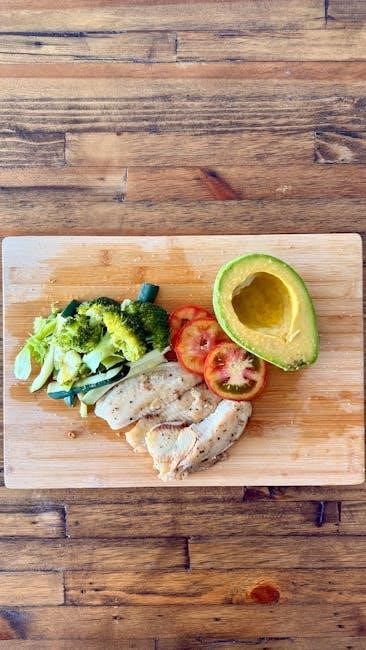
Fats & Oils for a Zero Carb Lifestyle
Zero-carb PDFs prioritize animal fats, detailing tallow, lard, and suet as primary choices;
they also cautiously list avocado and olive oils for limited supplemental use.
These guides emphasize fat as a crucial energy source,
highlighting its importance in satiety and overall metabolic health on a carb-free regimen.
Animal Fats (Tallow, Lard, Suet)
Zero-carb lifestyle PDFs consistently champion animal fats – tallow, lard, and suet – as foundational fuel sources. These traditional fats, rendered from beef, pork, and kidney respectively, provide concentrated energy without a single carbohydrate gram. Detailed guides often explain the rendering process, empowering individuals to create their own nutrient-dense cooking fats.
PDF resources highlight the stability of these fats at high cooking temperatures, making them ideal for searing, frying, and roasting. They also emphasize the presence of fat-soluble vitamins (A, D, E, and K) naturally occurring in these sources, contributing to overall health.
Furthermore, these documents often address concerns about saturated fat, presenting current research challenging previous dietary recommendations and advocating for their inclusion in a zero-carb approach. Understanding the source and quality of these fats is also covered, promoting grass-fed and pasture-raised options whenever possible.
Avocado Oil & Olive Oil (Limited Use)
Zero-carb food lists in PDF format generally permit avocado oil and olive oil, but with significant caveats. While technically containing minimal carbohydrates, these oils aren’t considered primary fat sources due to their polyunsaturated fat content. PDFs emphasize moderation, suggesting they be used sparingly as additions to meals rather than the base of cooking.
Detailed guides often explain the importance of choosing extra virgin varieties to minimize processing and preserve beneficial compounds. They also caution against high-heat cooking with these oils, as it can lead to oxidation and the formation of harmful compounds.
PDF resources frequently recommend prioritizing saturated animal fats for the majority of fat intake, reserving avocado and olive oils for salad dressings or finishing dishes, ensuring adherence to the strict carbohydrate restriction of the diet.
Coconut Oil & MCT Oil
Zero-carb food lists, often available as downloadable PDFs, readily endorse coconut oil and MCT oil as excellent fat sources. These oils are favored due to their medium-chain triglycerides (MCTs), which are easily digested and converted into ketones, supporting energy levels on a carbohydrate-free diet.
PDF guides frequently highlight the benefits of MCT oil for cognitive function and satiety, recommending its inclusion in beverages or as an addition to meals. They also detail different MCT oil types (C8, C10, C12) and their varying metabolic effects.
Coconut oil, in its unrefined form, is also prominently featured, with PDFs emphasizing its versatility for cooking and baking within the constraints of a zero-carb lifestyle, offering a stable and flavorful fat option.

Dairy (With Caution)
Zero-carb PDFs emphasize careful dairy selection, noting lactose content;
full-fat options are prioritized, while guides detail acceptable portions and potential individual tolerances.
Hard Cheeses (Cheddar, Parmesan)
Zero-carb food lists and accompanying PDFs frequently highlight hard cheeses like cheddar and parmesan as acceptable, though not unlimited, inclusions in the diet. These cheeses generally contain minimal carbohydrates, making them suitable for strict zero-carb protocols when consumed in moderation.
PDF guides often provide specific serving size recommendations, emphasizing that even trace amounts of carbs can accumulate. They also detail the importance of checking nutrition labels, as carbohydrate content can vary between brands and varieties.
The focus is on full-fat versions, as lower-fat options may contain added sugars or fillers to compensate for flavor and texture. Detailed PDFs will often include charts comparing the carb counts of different hard cheeses, assisting individuals in making informed choices and staying within their zero-carb parameters.
Heavy Cream & Butter
Zero-carb food lists, particularly those formatted as downloadable PDFs, consistently feature heavy cream and butter as foundational elements, due to their negligible carbohydrate content. These are crucial for achieving adequate fat intake, essential for energy on a zero-carb diet.
PDF guides emphasize the importance of using full-fat, unsweetened heavy cream, avoiding any varieties with added sugars or stabilizers. Similarly, pure butter – ideally grass-fed – is recommended.
Detailed resources often clarify that these fats are not just permissible, but encouraged, as they contribute to satiety and overall metabolic health; Comprehensive PDFs will often include usage suggestions, like adding heavy cream to coffee or using butter liberally in cooking, to help individuals seamlessly integrate these fats into their daily routine.
Full-Fat Yogurt (Small Portions)
Zero-carb food lists in PDF format often address full-fat yogurt with a significant caveat: portion control is paramount. While not strictly zero-carb, plain, unsweetened, full-fat yogurt can be included in very limited quantities due to its naturally occurring lactose content.
PDF guides typically advise restricting intake to a small serving – often no more than ¼ to ½ cup – to minimize carbohydrate consumption. They stress the absolute necessity of choosing varieties without added sugars, flavors, or fruit.

Detailed resources will frequently highlight that even full-fat yogurt isn’t ideal for strict zero-carb adherence, but can be a temporary concession for those transitioning or seeking variety. PDFs often include a disclaimer emphasizing individual tolerance and the importance of monitoring blood glucose levels.

Zero Carb Beverages
Zero-carb PDF guides prioritize hydration with water, alongside nutrient-rich bone broth and plain, unsweetened tea or coffee as acceptable beverage choices.
These resources emphasize avoiding all sweetened drinks,
highlighting that even seemingly healthy options can derail a zero-carb dietary approach.
Water: The Foundation
As detailed in many zero-carb food list PDFs, water isn’t merely a beverage on this diet – it’s the absolute cornerstone of hydration and overall well-being.
These guides consistently emphasize that adequate water intake is crucial, especially when drastically reducing carbohydrate consumption, as it aids in electrolyte balance and supports kidney function.
PDF resources often recommend aiming for at least half your body weight in ounces daily, adjusting based on activity levels and climate.
Unlike other beverages, water contains zero carbohydrates, making it the safest and most effective choice for maintaining ketosis and adhering strictly to a zero-carb lifestyle.
Many downloadable lists will specifically state that sparkling water is also permissible, as long as it remains unflavored and unsweetened, providing a refreshing alternative without compromising dietary goals.
Bone Broth: Nutrient-Rich

Zero-carb food list PDFs frequently highlight bone broth as a highly beneficial addition to the diet, extending beyond simple hydration to provide essential nutrients.
These resources detail how simmering bones releases collagen, gelatin, and amino acids, supporting gut health, joint function, and skin elasticity – all vital during dietary transition.
Crucially, traditional bone broth recipes contain zero carbohydrates, making it fully compliant with the strictest zero-carb protocols, unlike many processed broths.
PDF guides often advise choosing homemade bone broth or carefully vetting store-bought options, ensuring no added sugars, starches, or vegetables are present in the ingredients.
The electrolyte content of bone broth also aids in mitigating the “keto flu” symptoms, commonly experienced when initially adapting to a carbohydrate-restricted diet, as detailed in comprehensive guides.
Unsweetened Tea & Coffee (Plain)
Zero-carb food list PDFs consistently categorize plain, unsweetened tea and coffee as acceptable beverages, offering a welcome alternative to water while adhering to the diet’s strict guidelines.
These guides emphasize the absolute necessity of consuming these drinks without any additions, including milk, cream, sugar, or artificial sweeteners, all of which introduce carbohydrates.
PDF resources often clarify that even seemingly innocuous additions like flavored syrups or non-dairy creamers can significantly impact carb intake, jeopardizing ketosis and dietary compliance.
The caffeine in coffee and tea can also provide a metabolic boost, potentially aiding in weight management, a common goal for those following a zero-carb lifestyle, as noted in detailed lists.
However, guides may caution against excessive caffeine consumption, advising moderation to avoid potential side effects and maintain overall health while navigating this restrictive dietary approach.
Foods to Absolutely Avoid on Zero Carb
Zero-carb PDFs clearly delineate prohibited foods: grains, starches, sugars, and even fruits are excluded,
emphasizing strict avoidance for successful implementation of this dietary approach.
Grains & Starches (Rice, Bread, Pasta)
Comprehensive zero-carb food lists, often found in downloadable PDF format, unequivocally exclude all grains and starches,
highlighting their significant carbohydrate content as incompatible with the diet’s core principles.
These PDFs meticulously detail why staples like rice, bread, pasta, corn, and potatoes are strictly forbidden,
emphasizing that even small portions can disrupt ketosis and hinder progress towards zero-carb goals.
The visual clarity of a PDF allows for quick reference,
reinforcing the absolute necessity of eliminating these carbohydrate-rich foods from all meal planning and consumption.
Furthermore, PDFs often include information on hidden sources of starch,
such as certain sauces and processed foods, promoting a heightened awareness of potential dietary pitfalls.
Sugars & Sweeteners (All Types)
Zero-carb food lists, frequently available as downloadable PDFs, present a firm and unwavering stance against all forms of sugar and sweeteners,
categorically listing them as unacceptable components of the diet due to their inherent carbohydrate load.
These PDFs clearly illustrate that this restriction encompasses not only refined sugars like table sugar and high-fructose corn syrup,
but also natural sweeteners such as honey, maple syrup, agave, and even seemingly harmless options like molasses.
The visual format of a PDF effectively emphasizes the absolute necessity of scrutinizing ingredient labels,
identifying hidden sugars in processed foods, beverages, and condiments to maintain strict adherence.
PDF guides often provide alternative strategies for managing sweet cravings,
focusing on fat adaptation and the eventual diminishing of sugar dependence, supporting long-term success.
Fruits (Even Berries)
Zero-carb food lists, commonly distributed as comprehensive PDFs, unequivocally exclude all fruits, even those often perceived as healthier choices like berries,
due to their natural sugar content – primarily fructose – which contributes to carbohydrate intake.
These downloadable guides emphasize that while berries contain beneficial nutrients and fiber,
the carbohydrate impact outweighs these advantages within the strict parameters of a zero-carb dietary approach.
PDF resources visually reinforce this restriction, often presenting a clear “avoid” list with images of various fruits,
including strawberries, blueberries, raspberries, and apples, to eliminate any ambiguity.
The PDF format allows for detailed explanations of why even small portions of fruit can disrupt ketosis,
the metabolic state central to the zero-carb diet, and offers strategies for overcoming fruit cravings.

Resources: Zero Carb Food Lists & PDFs
Numerous online resources offer downloadable zero-carb food lists in PDF format, simplifying adherence to this restrictive diet.
These PDFs serve as invaluable tools for meal planning and grocery shopping, providing a concise reference for acceptable foods.
Many diet and health websites host free, printable PDFs, categorizing zero-carb options by food group – meats, fats, dairy, and beverages –
for easy navigation and quick identification of suitable choices.
Dedicated zero-carb communities and forums frequently compile and share comprehensive PDF guides,
often including detailed nutritional information and recipe ideas to enhance the dietary experience.
These resources often feature visually appealing layouts and clear formatting, making it easy to quickly scan and understand the guidelines,
promoting long-term success with the zero-carb lifestyle.